(DVOR) Education Center
 Donate
The Challenge
Bosnia and Herzegovina’s cultural emphasis on tradition and continuity provides a strong sense of identity but can limit adaptation and innovation. This is particularly evident in education, where traditional teaching methods focus on memorization and following instructions rather than fostering creativity, critical thinking, or problem-solving. As noted in the OECD review, “overall performance lags behind the average learning outcomes achieved in OECD and EU countries” (OECD, 2022). Students often leave school without mastering essential skills for modern workplaces, limiting their ability to innovate or pursue differentiated approaches in business and other sectors.
The challenges are further reinforced by systemic issues in both governance and the education system. Schools often lack clear standards for evaluating teaching quality, and teachers receive limited support for developing modern instructional methods. Resources are unevenly distributed, and collaboration between education authorities, schools, and local communities is weak. The World Bank observes that “despite the public sector’s size and cost, quality of services is subpar especially in the largest sectors of health and education” (World Bank, 2024). As a result, students are not exposed to practical, problem-solving experiences, leaving them unprepared to address real-world challenges or innovate within their communities. In practice, this means that new business owners or entrepreneurs frequently replicate existing models—such as menus, services, or business operations—rather than creating new approaches, reinforcing inefficiency across sectors.
Addressing these intertwined challenges requires a multi-faceted approach that strengthens both teaching practices and real-world applications of learning. Initiatives should foster critical thinking, innovation, and teamwork, while building partnerships between schools, local businesses, and community institutions. The OECD highlights the need for “targeted and realistic policy reforms” and “a culture of evidence-informed policymaking” (OECD, 2022) to improve outcomes, while the World Bank emphasizes upgrading the quality of public services (World Bank, 2024). By combining curricular reform with experiential learning and industry collaboration, Bosnia and Herzegovina can equip students with the technical, social, and emotional skills required to thrive, closing the gap between education and the workforce while fostering a more dynamic and resilient economy.
A Solution
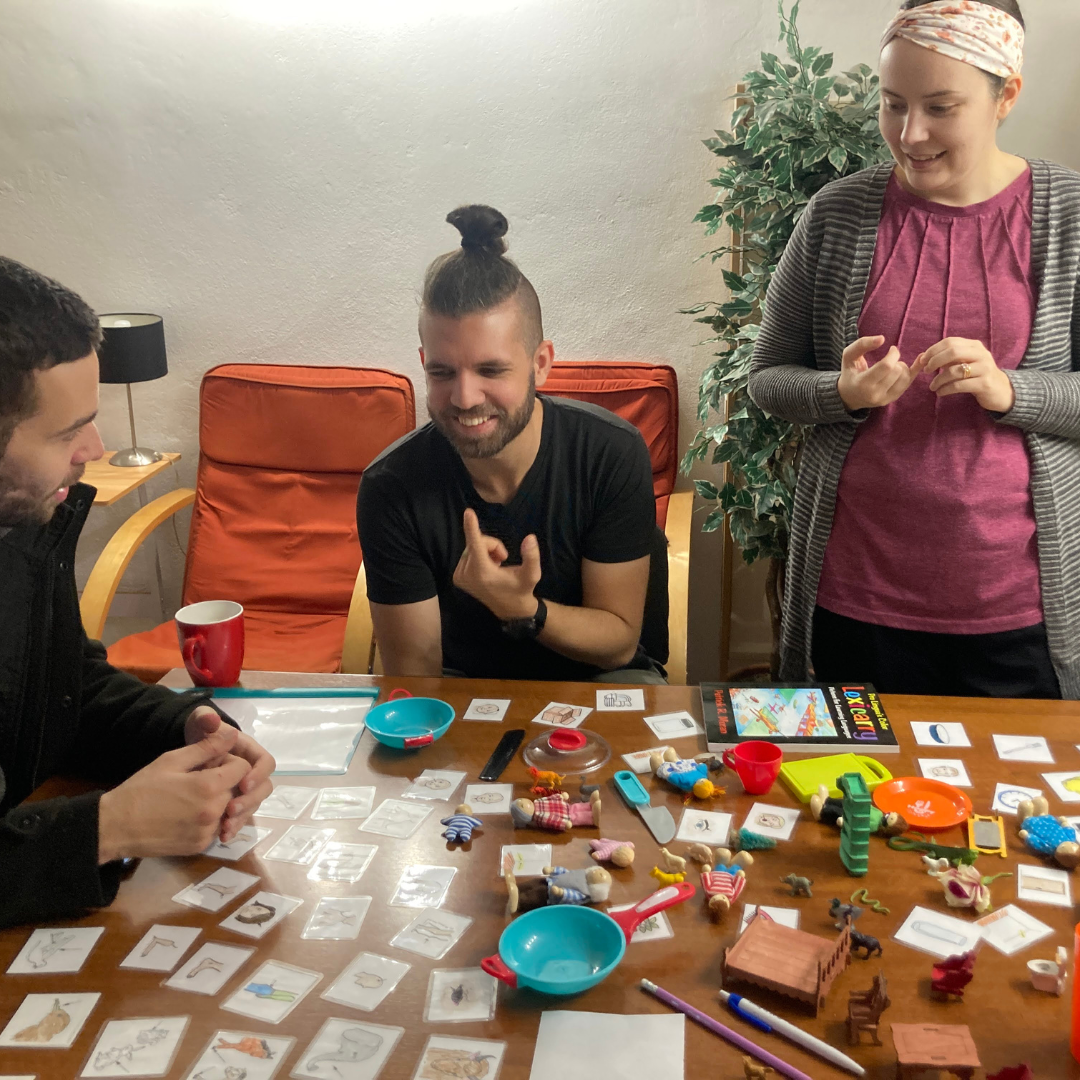
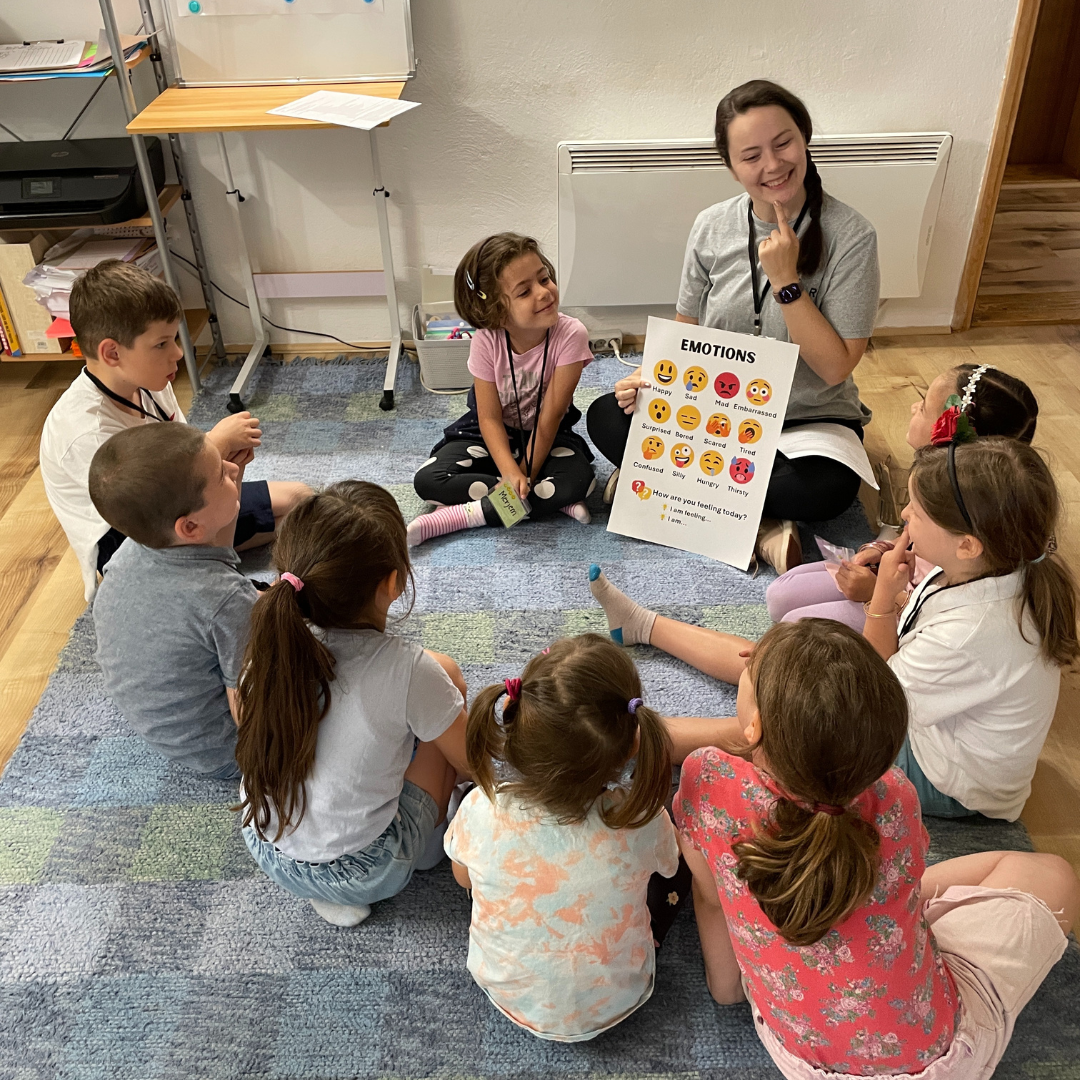
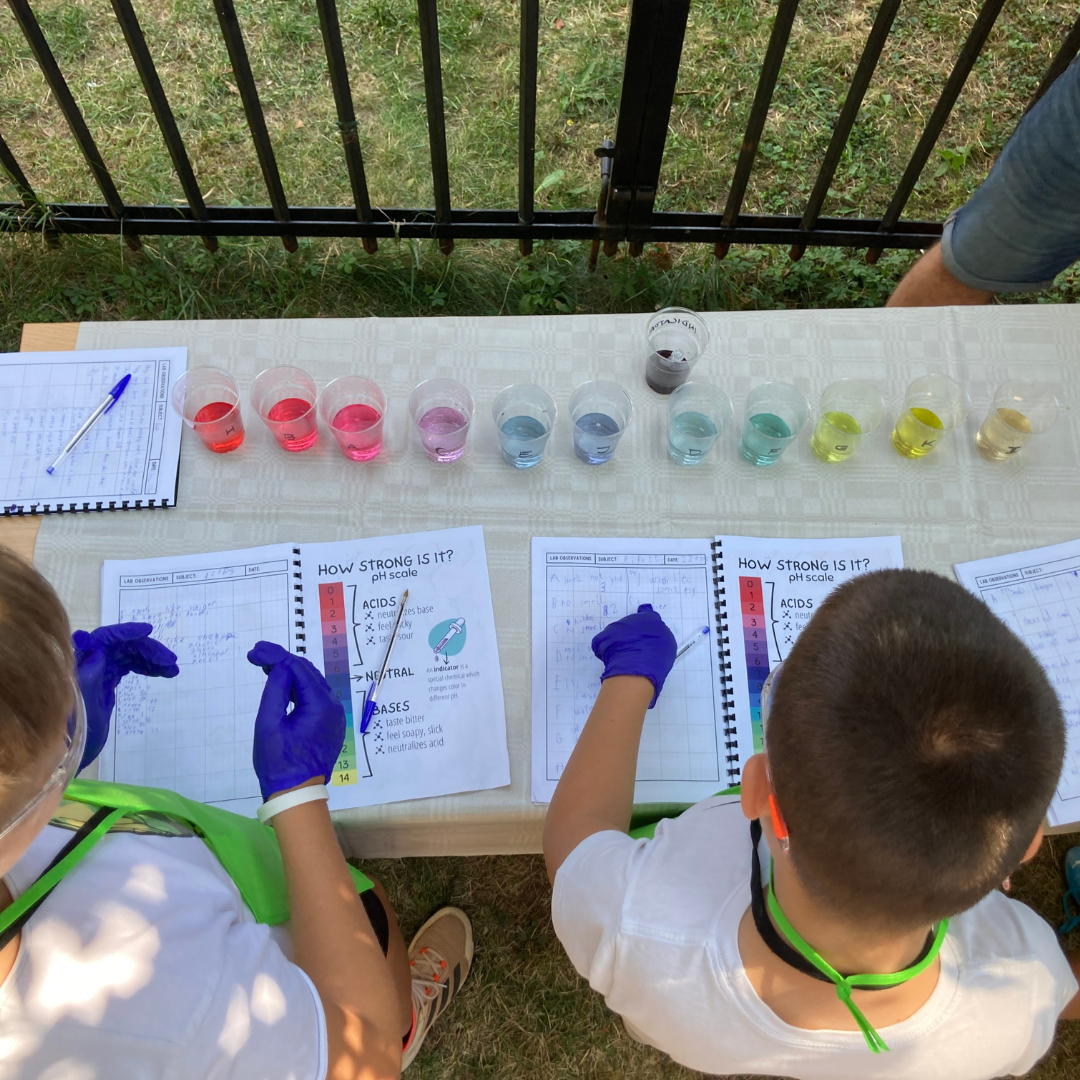
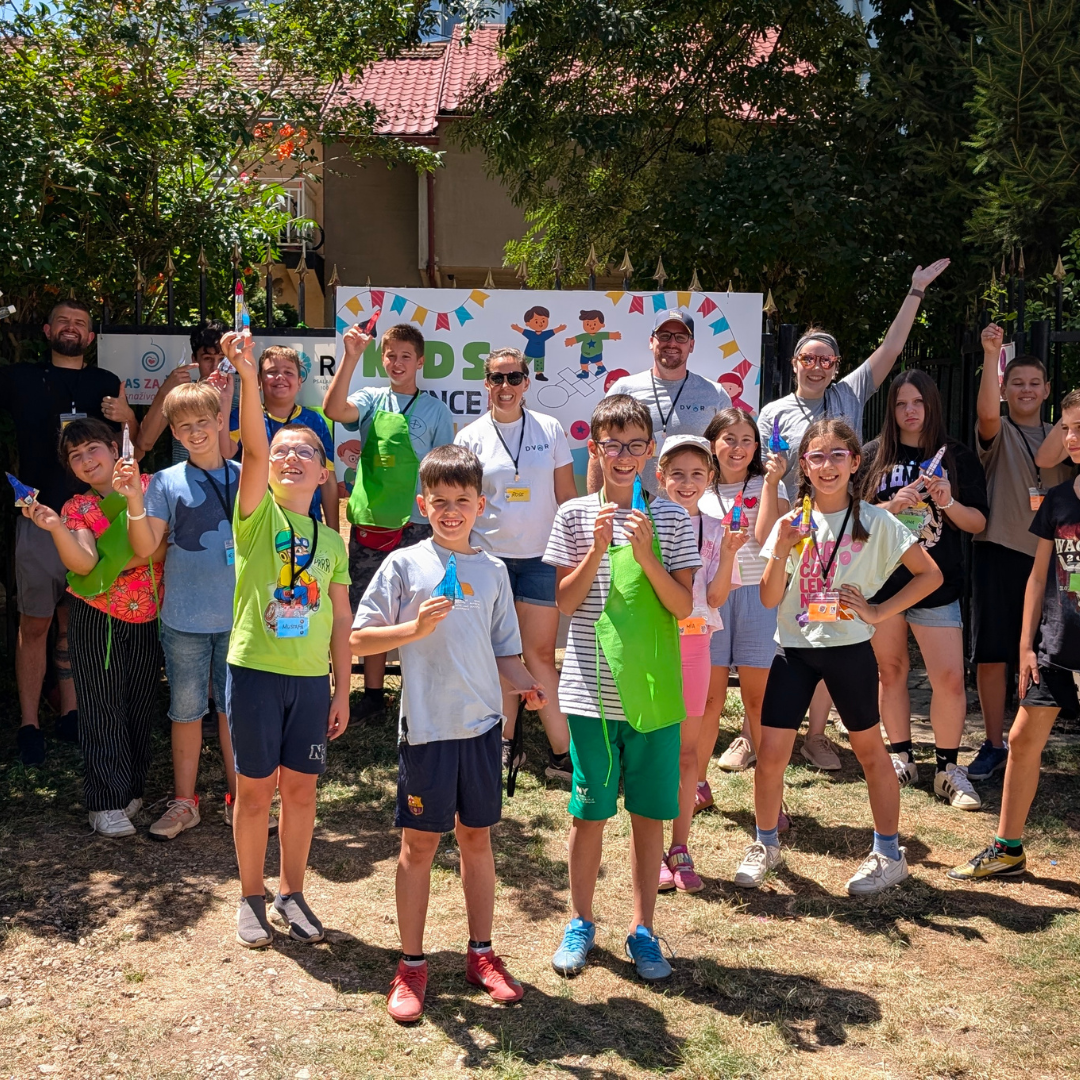
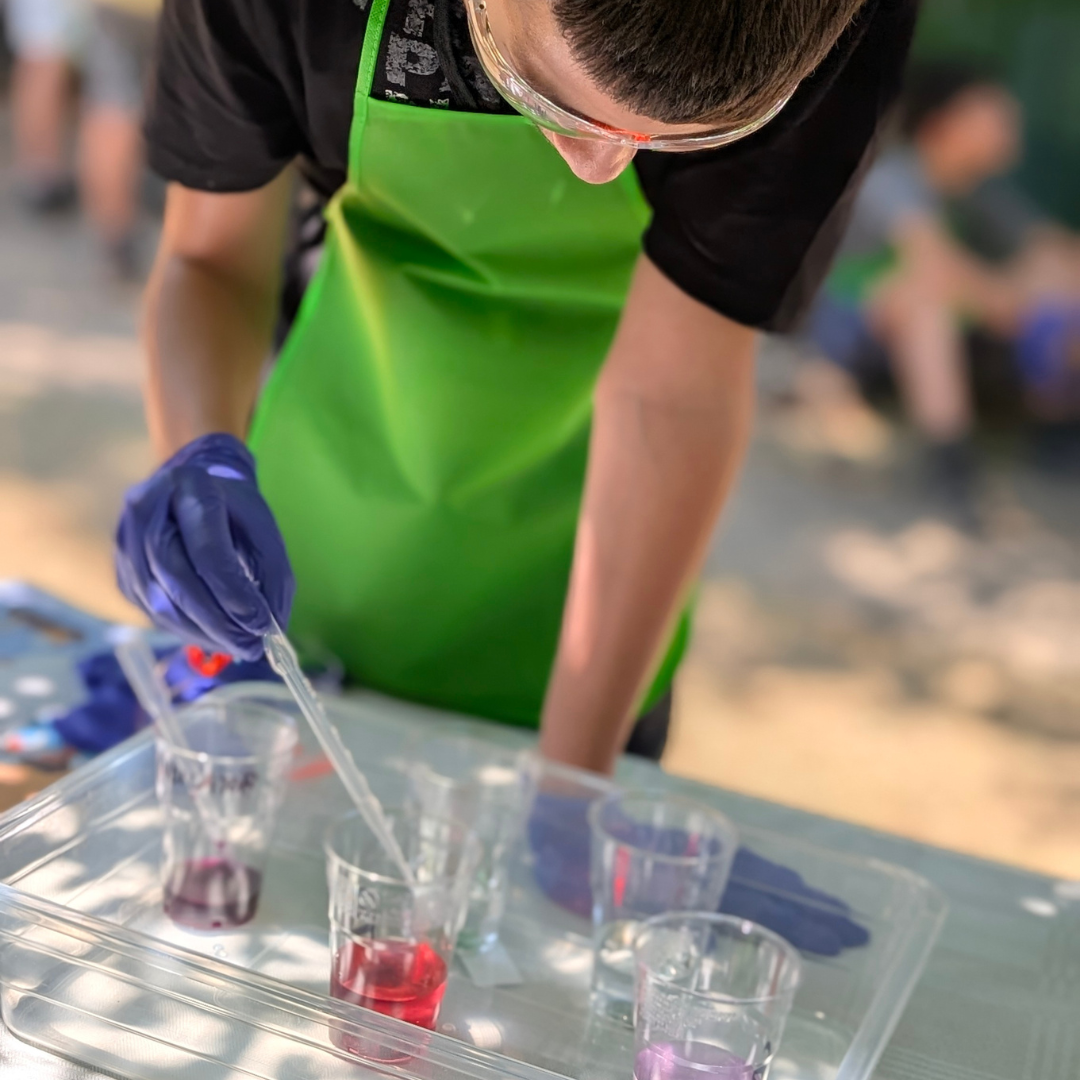
DVOR plans to open a community education center in Sarajevo and several other cities in Bosnia and Herzegovina that will offer tutoring services, educational programs, and day camps, while serving as neutral and inclusive spaces where people of all ages and backgrounds can connect, learn, and access essential services. These centers aim to address the growing skills gap faced by students as they transition into the workforce by strengthening English proficiency, digital literacy, critical thinking and problem-solving, and teamwork skills.
Through collaborative projects and activities, participants will also build social and emotional intelligence, creativity, and initiative. By partnering with local schools and businesses, the center will help bridge the gap between education and workforce needs, offering industry-relevant training and certifications while measuring impact through participant enrollment, earned certificates, and pre- and post-assessments of socio-emotional and collaborative competencies.
Business Activities Geared Towards Providing Quality Education and Economic Growth:

Target 4.1.P Work towards ensuring that all girls and boys complete free, equitable and quality primary and secondary education leading to relevant and effective learning outcomes ADAPTED: Work towards ensuring that individuals have access to quality education leading to relevant and effective learning outcomes.
4.4 Increase the number of youth and adults who have relevant skills, including technical and vocational skills, for employment, decent jobs and entrepreneurship (Increase the number of youth and adults who have vocational and language skills needed to obtain employment and decent jobs.)

Target 8.3 Promote and support productive activities, decent job creation, entrepreneurship, creativity and innovation, and encourage the formalization and growth of micro-, small- and medium-sized enterprises, including through access to financial services.
8.5 Promote full and productive employment and decent work for all women and men, including for young people and persons with disabilities, and equal pay for work of equal value.
Measured by:
Number of participants in programs each quarter
Types of programs provided each quarter
Number of Certificates in digital literacy or other areas (word processing, spreadsheets, graphic and video design, problem-solving design process, etc.) provided each quarter
Goal to work towards some sort of pre and post SEL assessment. Please describe any efforts towards this goal.
Number of full-time, part-time, and/or temporary workers employed each quarter receiving a local living wage or higher.
Show how much money flowed to this area that would not have otherwise without the project for economic growth, list the quarterly expenses (including salaries but not your own).
How much was spent on supplies for day camps each quarter (Summer months)
How many individuals attended camps each quarter (Summer months)
Goal to work towards local workshops/seminars with local businesses. Please list any progress made towards these types of projects.
DVOR plans to open a community education center in Sarajevo and several other cities in Bosnia and Herzegovina that will offer tutoring services, educational programs, and day camps, while serving as neutral and inclusive spaces where people of all ages and backgrounds can connect, learn, and access essential services. These centers aim to address the growing skills gap faced by students as they transition into the workforce by strengthening English proficiency, digital literacy, critical thinking and problem-solving, and teamwork skills.
What Does Your Donation Go Towards?
Rent, Utilities, and Furnishings for the Community Center
Computers for Digital Literacy Courses
General supplies for Day Camps
Initial part-time salaries for local employees