Donate
The Challenge
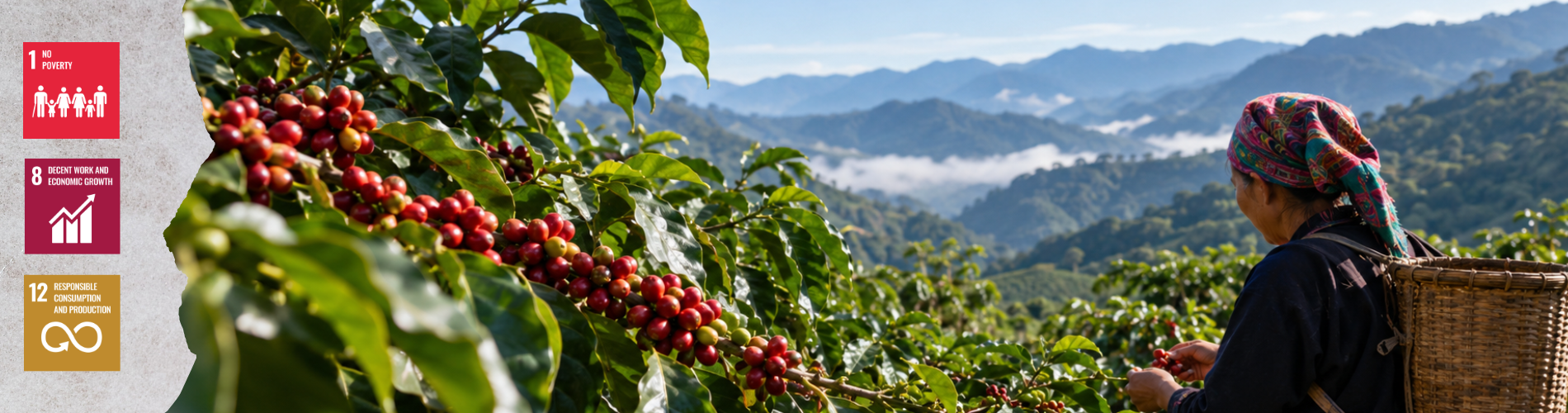
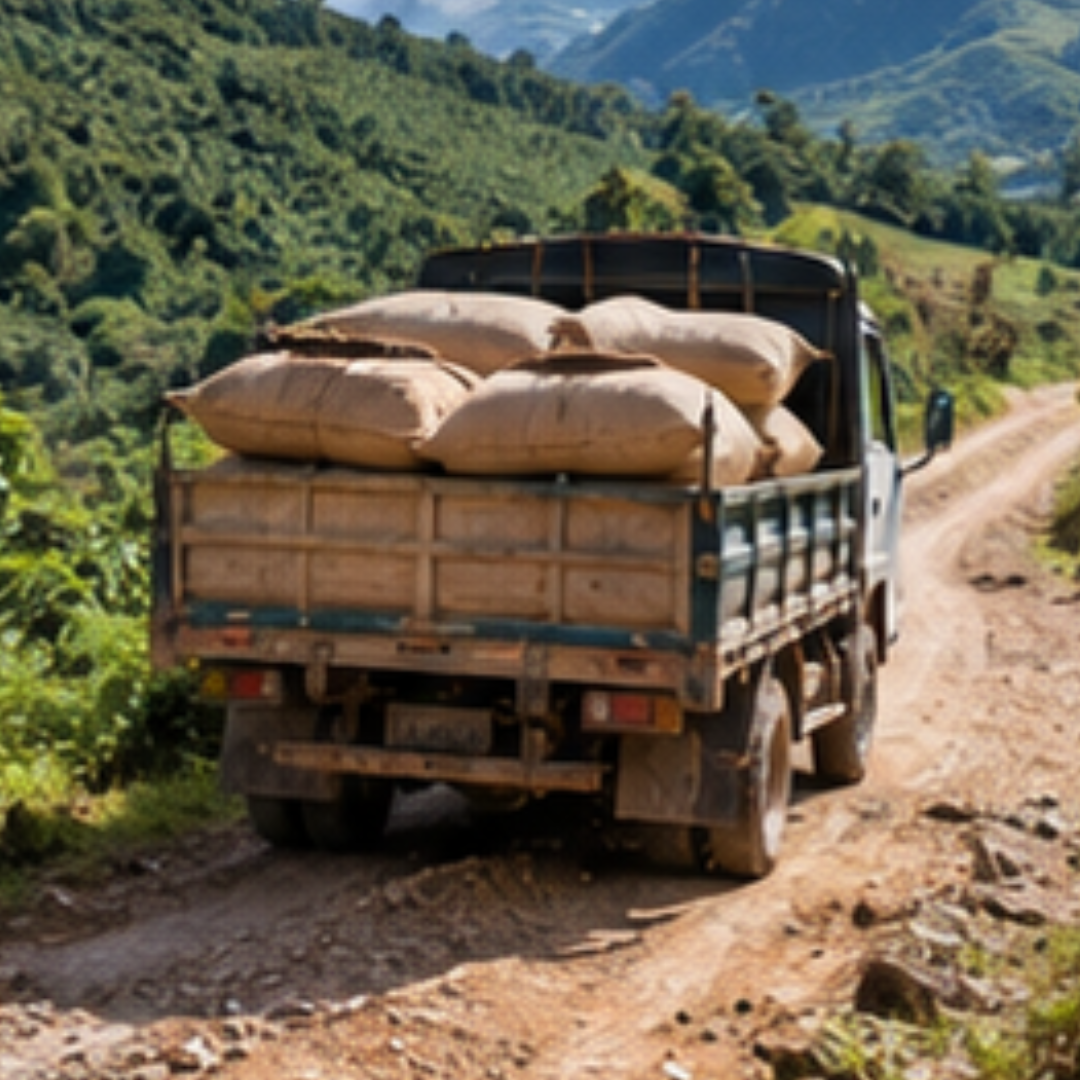
Farmers in northern Laos face significant economic barriers due to geographic isolation, poor transportation infrastructure, and limited access to regional markets. The Food and Agriculture Organization (FAO) describes Phongsali as a remote region where “many villages [...] are located in areas without access to roads” and identifies it as one of the poorest provinces in Laos (FAO, Needs and Potential for Rural Youth Development in Lao PDR).
These barriers restrict farmers’ ability to reach buyers and negotiate fair prices, leaving communities vulnerable to dependence on a single purchaser. This has often resulted in receiving only a third of the market price for their coffee, despite having approximately 40,000 coffee trees planted.
The lack of reliable buyers has also undermined farmers’ confidence in coffee as a sustainable source of income. A company might contract to purchase the village’s coffee yet only connect twice in ten years, leaving many families with neglected coffee gardens and few dependable alternatives for supporting themselves. Without dependable buyers and competitive prices, farmers risk losing the value of years of investment in their crops and land.
Economic pressures also threaten the long-term health of the region’s environment. Faced with poor returns from coffee, some farmers are considering replacing their trees with crops such as corn or sugarcane, which may require intensive chemical inputs. The Agence Française de Développement (AFD) reports that agricultural intensification in northern Laos has contributed to “land erosion and a loss of soil fertility, to biodiversity loss and the pollution of water resources,” impacts that have “limited or even reduced yields” (AFD, Laos: Increasingly Sustainable Coffee Production).
For communities already struggling to earn a living from agriculture, declining soil quality and productivity compound economic insecurity, threatening both present livelihoods and future farming opportunities.
A Solution
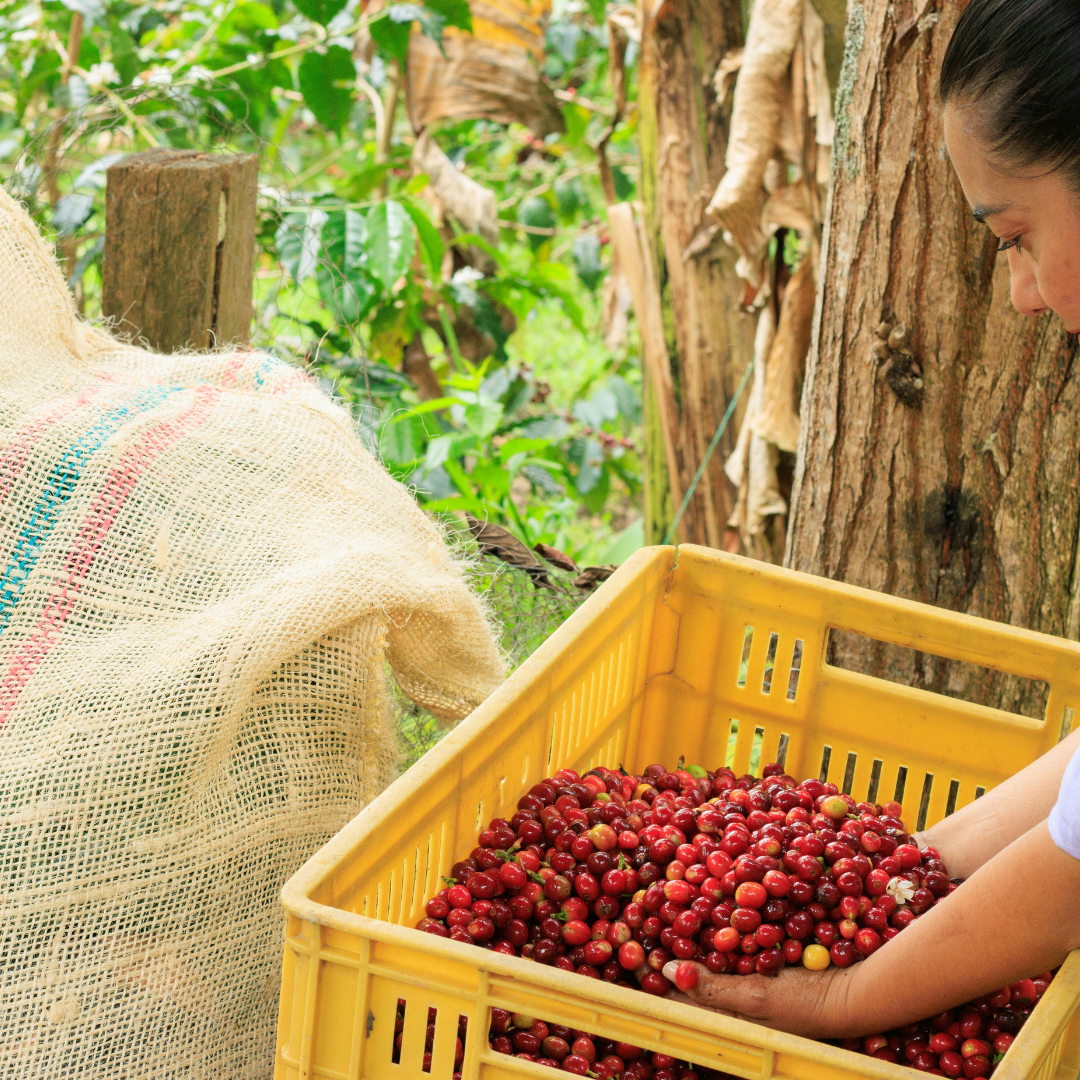
Beyond the Beans will establish a mission-driven specialty coffee business based in northern Laos. By sourcing high-quality, single-origin Arabica coffee directly from local farmers and cooperatives, the business will connect remote, marginalized communities with regional and international markets. Long-term purchasing agreements will offer farmers competitive prices and more reliable income while emphasizing sustainable agricultural practices and traceable, ethically sourced coffee.
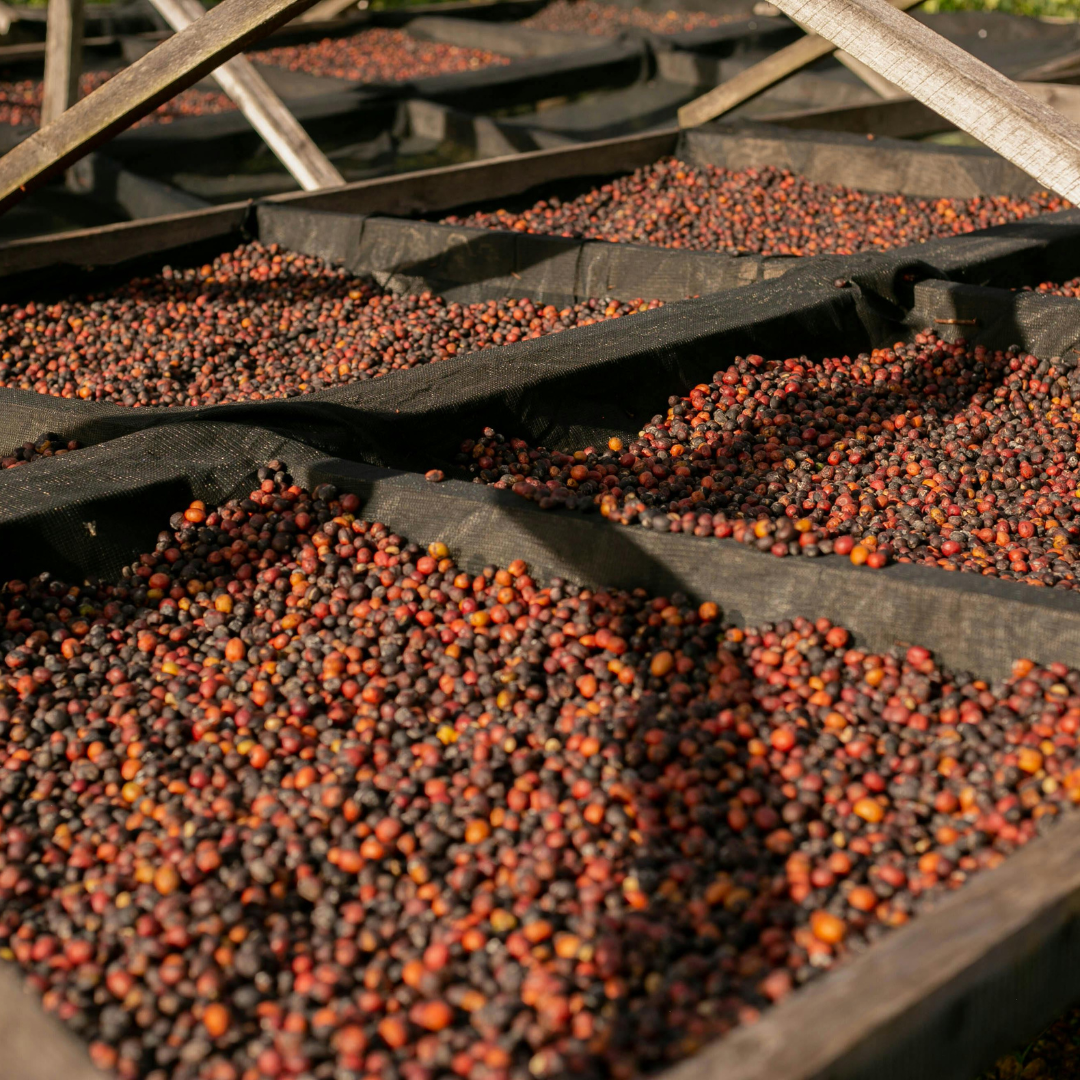
They will process the coffee in-house using methods such as natural, washed, honey, and carbonic maceration to produce a premium product for ethically conscious consumers. Over time, the business aims to train Lao farmer cooperatives to process their own beans, building local expertise and greater economic independence. Through this approach, Beyond the Beans seeks to turn Laos’ coffee-growing potential into sustainable livelihoods and long-term community development.
Business Activities Geared Towards Reducing Poverty, Providing Decent Work, and the Responsible Use of Resources:
Target 1.4: Promote and support that all men and women, in particular the poor and the vulnerable, have equal rights to economic resources, as well as access to basic services, ownership and control over land and other forms of property, inheritance, natural resources, appropriate new technology and financial services, including microfinance.
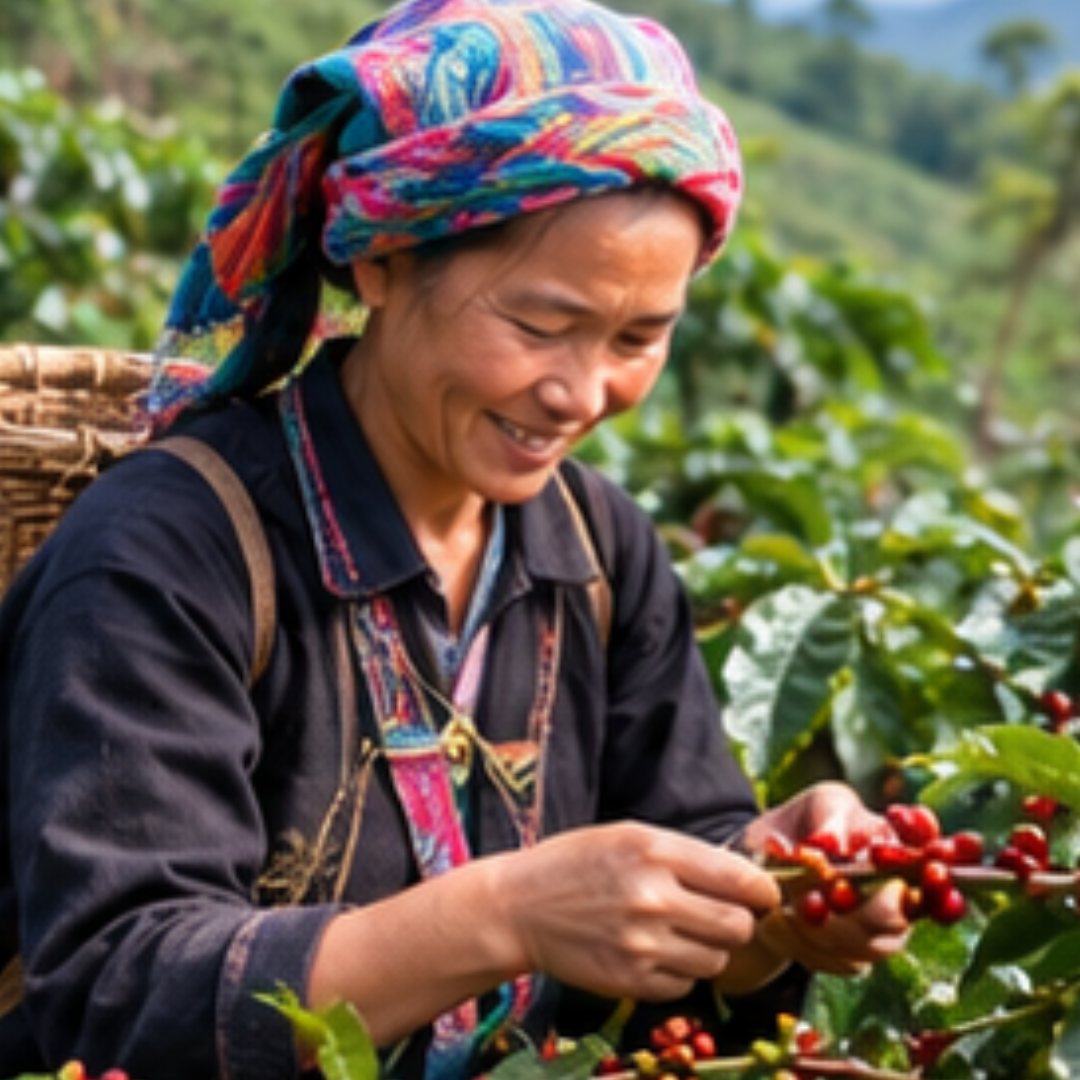
Target 8.5: Promote full and productive employment and decent work for all women and men, including for young people and persons with disabilities, and equal pay for work of equal value.

Target 12.2: Promote the sustainable management and efficient use of natural resources.
Measured by:
Number of businesses/distributors purchasing coffee
Amount of coffee produced and sold at market value (dollar amount)
Show how much money flowed to this area that would not have otherwise without the project for economic growth, list the quarterly expenses (including salaries but not your own).
Number of people (not farmers) employed by the end of the reporting period. This is the sum of all paid full-time and part-time employees.
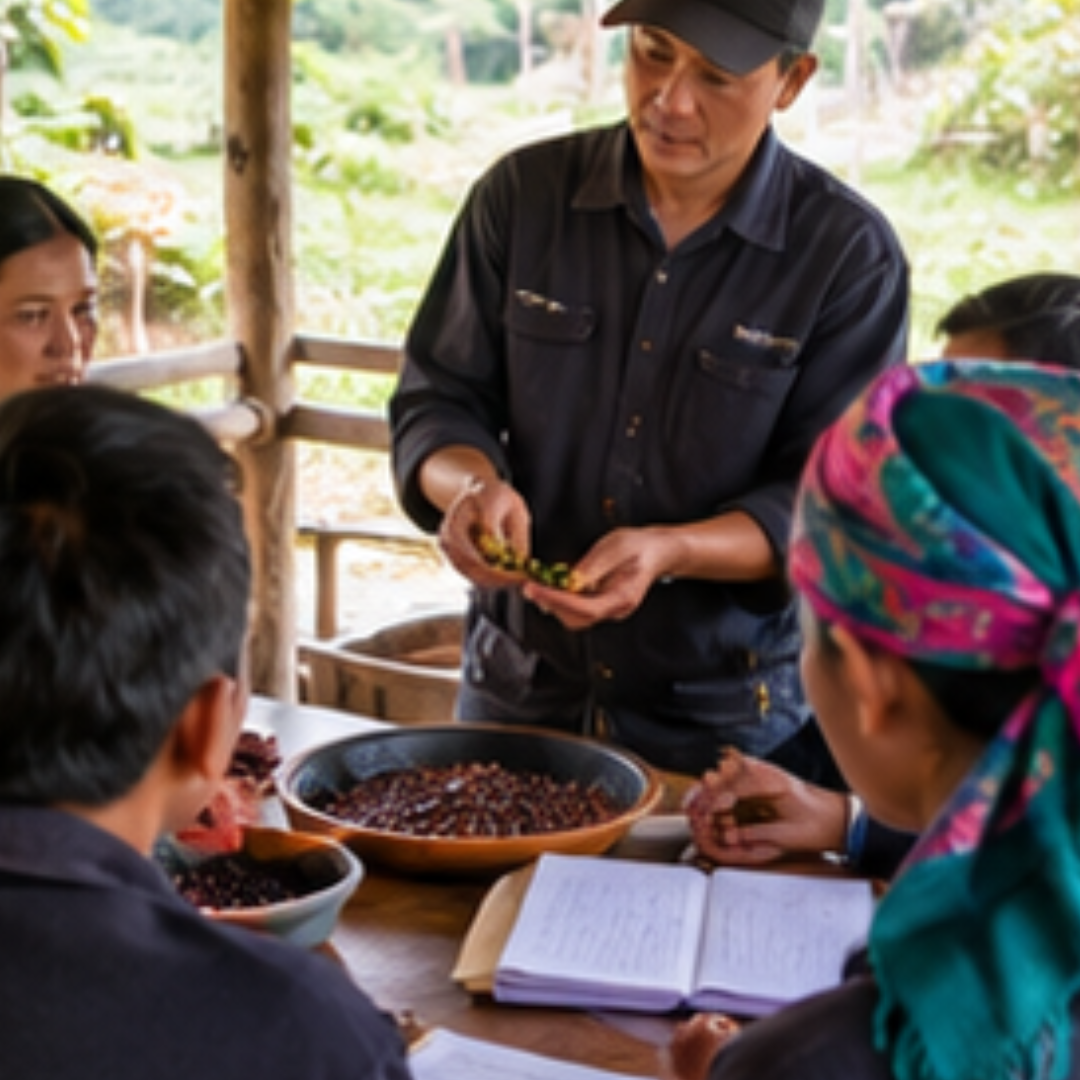
Number of farmers trained in coffee farming practices (*NOTE: Coffee is purchased from all farmers trained.)
Number of communities where farmers are trained
Beyond the Beans will establish a mission-driven specialty coffee business based in northern Laos. By sourcing high-quality, single-origin Arabica coffee directly from local farmers and cooperatives, the business will connect remote, marginalized communities with regional and international markets. Long-term purchasing agreements will offer farmers competitive prices and more reliable income while emphasizing sustainable agricultural practices and traceable, ethically sourced coffee.
They will process the coffee in-house using methods such as natural, washed, honey, and carbonic maceration to produce a premium product for ethically conscious consumers. Over time, the business aims to train Lao farmer cooperatives to process their own beans, building local expertise and greater economic independence. Through this approach, Beyond the Beans seeks to turn Laos’ coffee-growing potential into sustainable livelihoods and long-term community development.
What Does Your Donation Go Towards?
Facilities for Drying/Sorting Coffee Beans
Essential processing and quality-control equipment to prepare specialty Arabica beans
Transportation Costs of Goods from Farm to Market
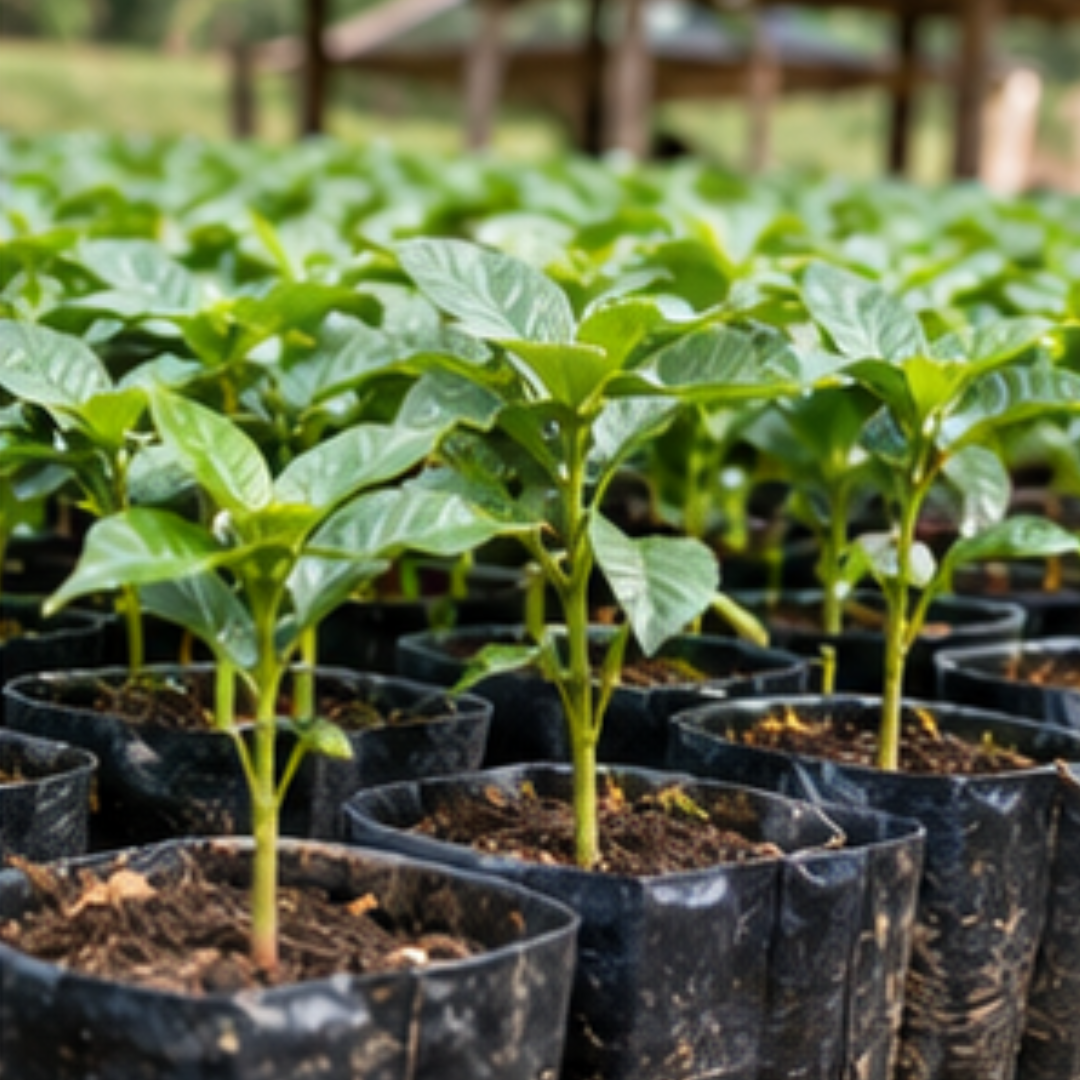
$5000 adopts a new village with training and initial goods to grow trees