Serve South Asia
 Donate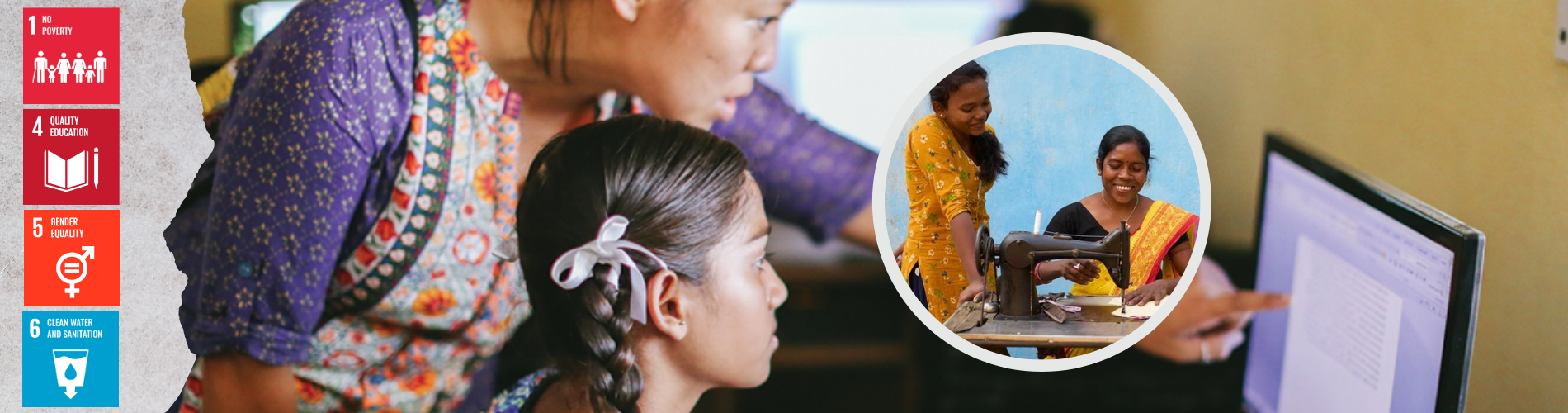
The Challenge
While not true for all parts of South Asia, many communities across South Asia face barriers to education, employment, and essential services. Children from economically disadvantaged families, including those living in urban slums, may have limited access to quality education. “In South Asia, 55.6 million people, including 25.7 million children, will need humanitarian assistance in 2026 due to conflict, economic shocks, climate-induced disasters and public health emergencies” (Unicef, 2025). Women also face obstacles to entering the workforce, including limited access to vocational training, safe transportation, and employment opportunities. These barriers can make it difficult for individuals and families to build stable livelihoods and improve their quality of life. (WorldBank)
Access to basic necessities remains another challenge. Some communities lack reliable access to safe drinking water, while refugees and displaced families may struggle to obtain food, clothing, shelter, and other essential supplies. Across South Asia, humanitarian emergencies and displacement can further disrupt children's education and families' access to basic services.
A Solution
Serve South Asia supports children, women, families, and communities through humanitarian aid, education, vocational training, and community development initiatives across India, Pakistan, and Bangladesh. Programs provide educational opportunities for children in slum communities, equip women with practical skills through sewing centers and other production activities, and offer leadership development and training for teachers and coaches. The project also supports clean drinking water through well construction, provides basic necessities for refugees in India, and develops facilities for education and skills training.
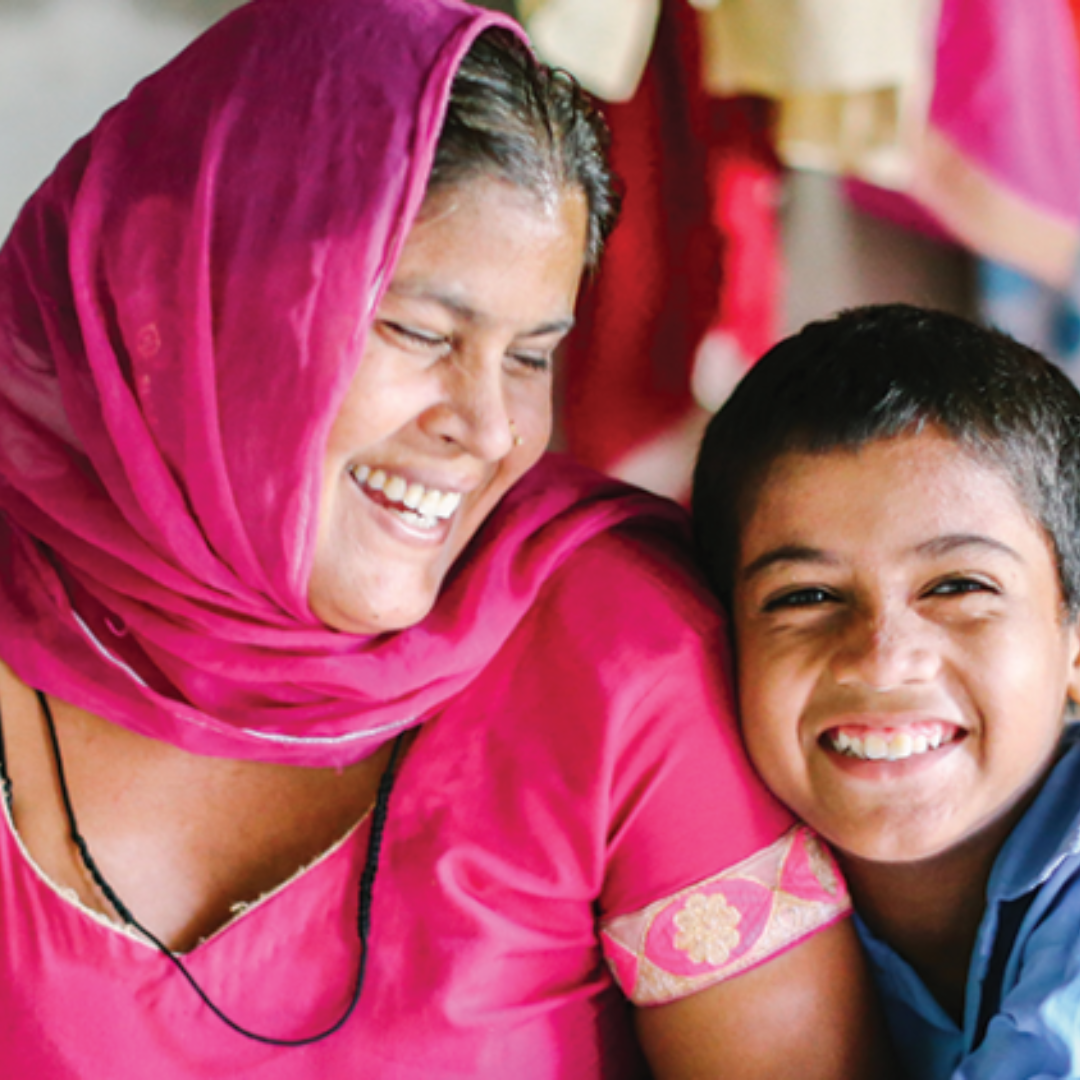
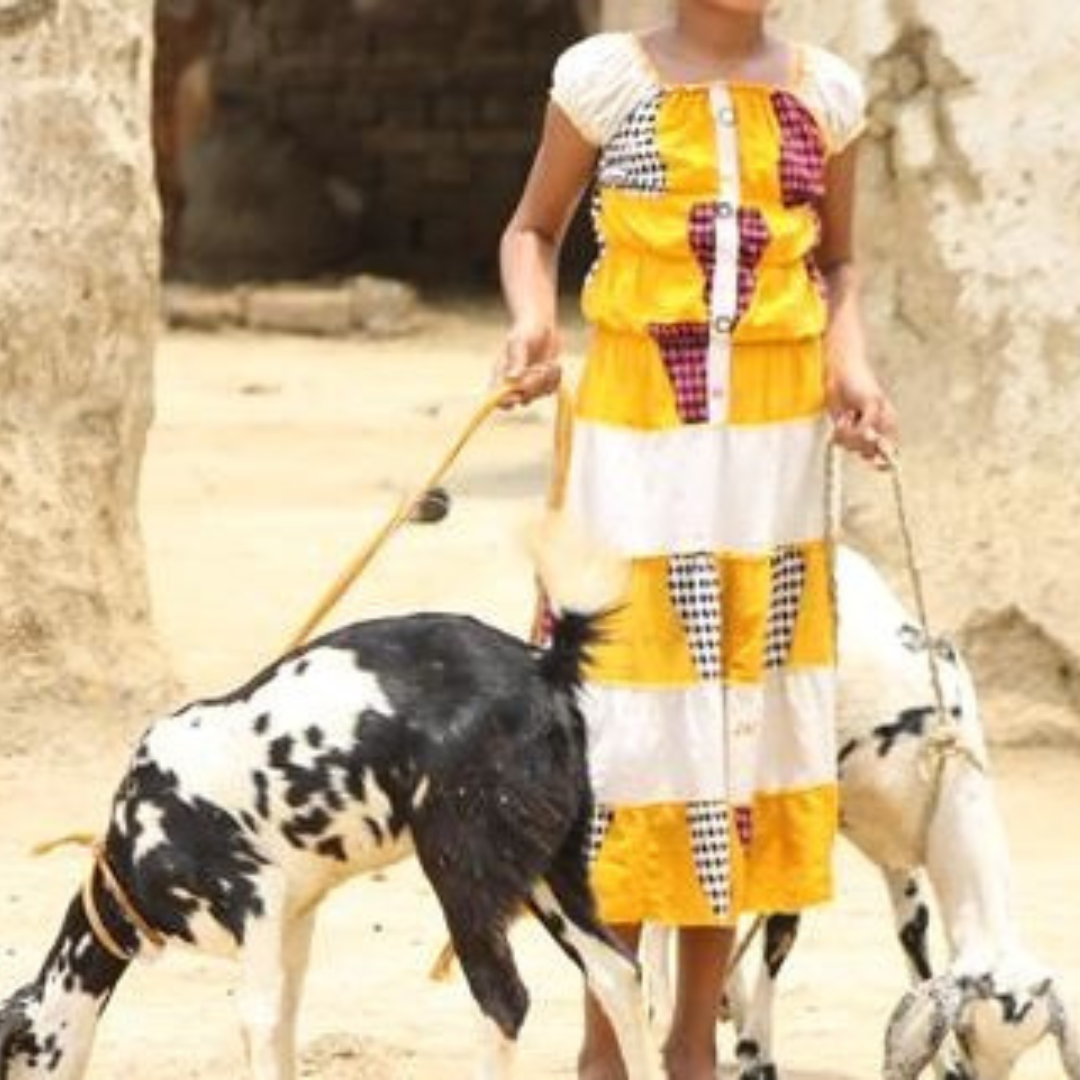
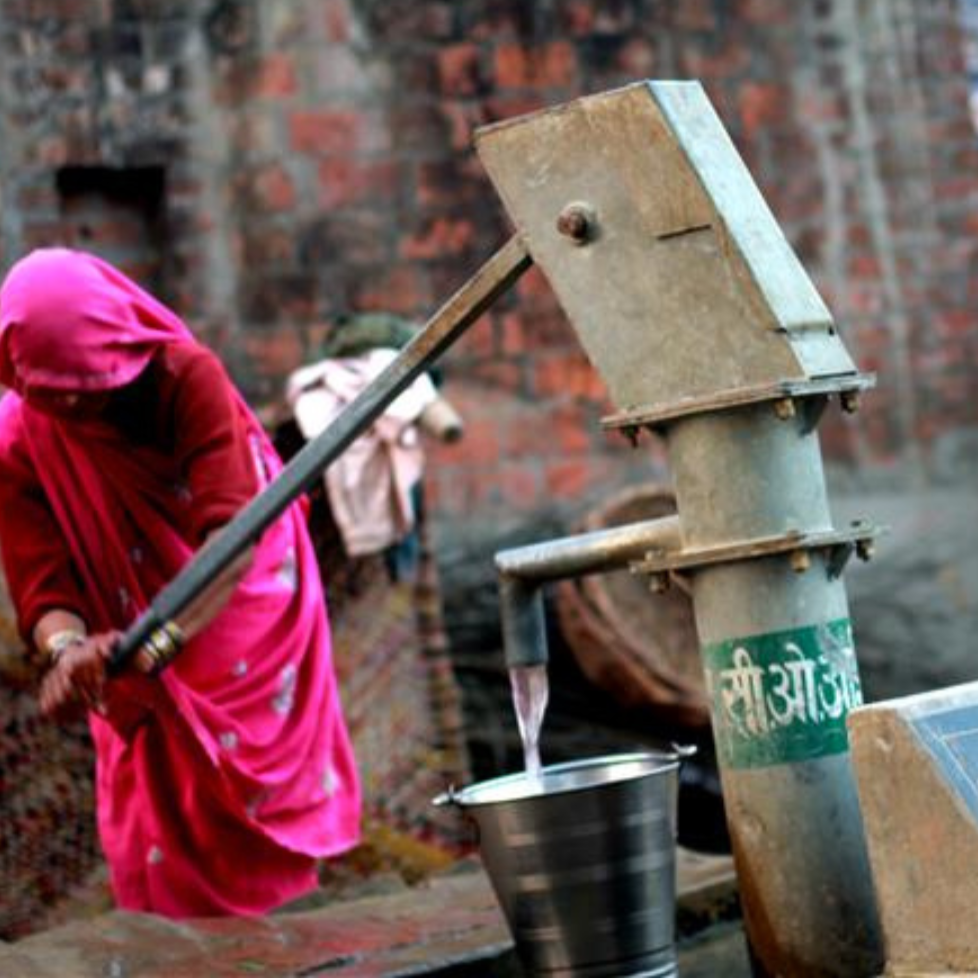
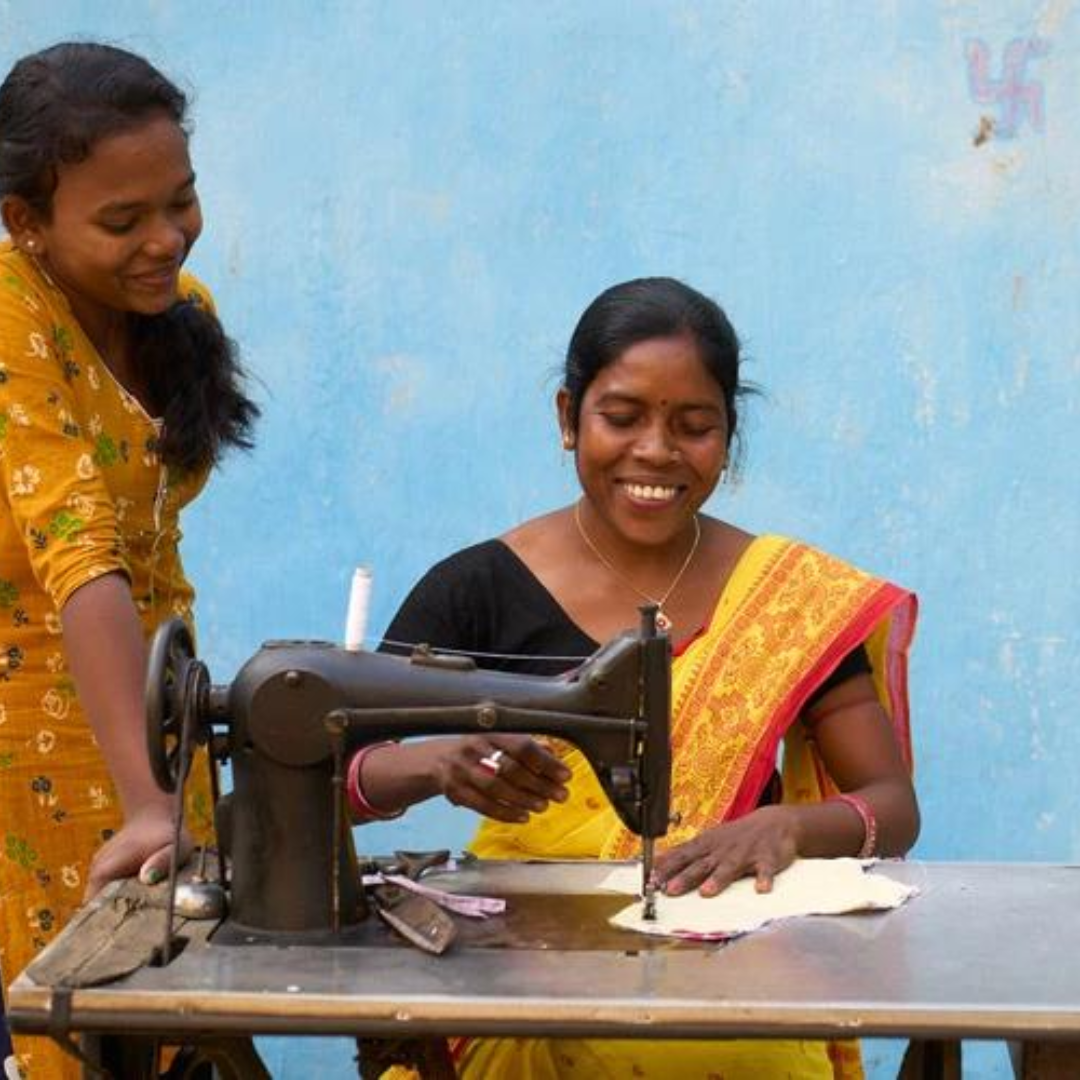
Business Activities Geared Towards Reducing Poverty, and Providing Quality Education, Economic Growth, & Sustainable Communities:

Target 1.4 (adapted): Building resilience for vulnerable populations so extreme shocks do not push families back into poverty. (Refugee care)

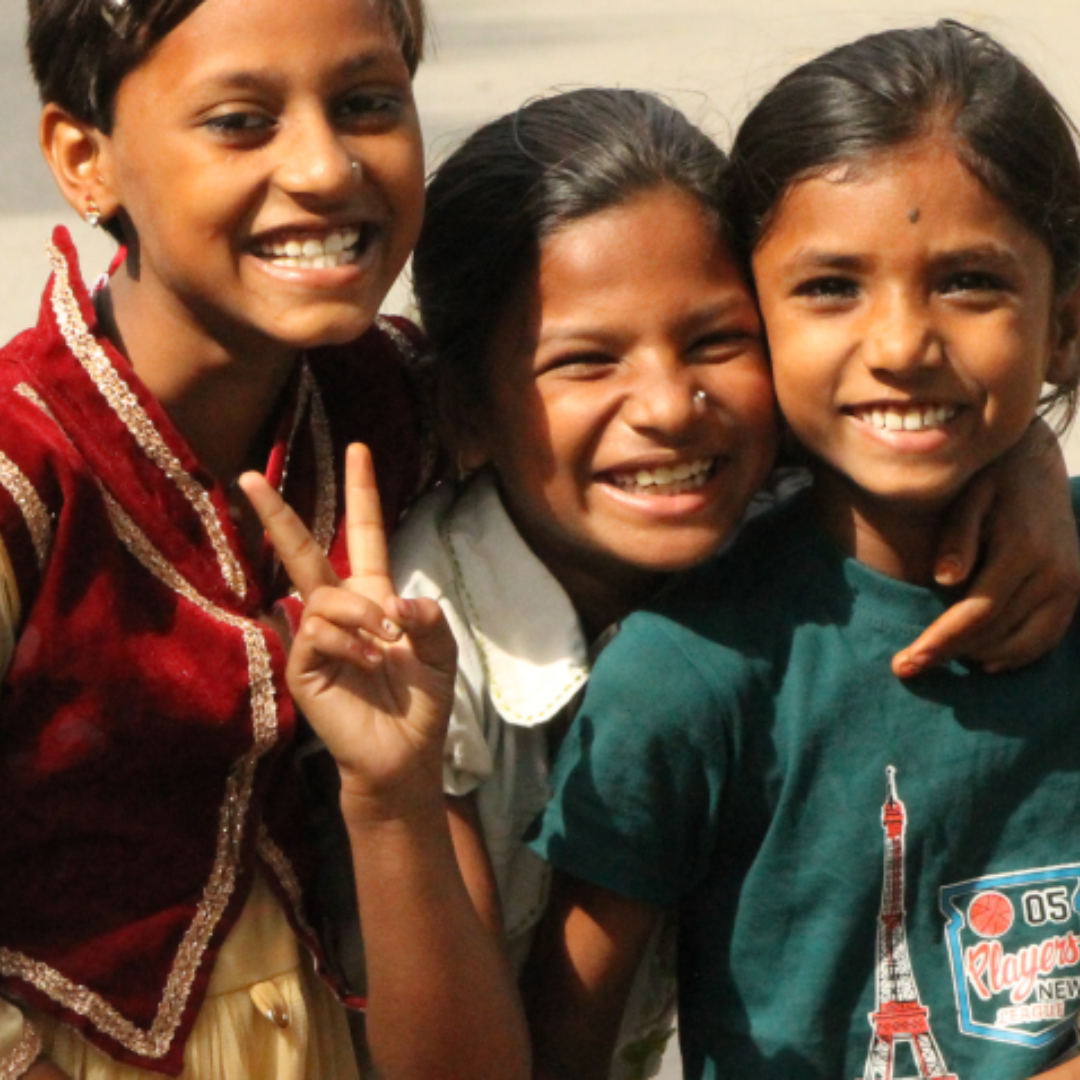
Target 4.1 (adapted): Work towards ensuring that individuals have access to quality education leading to relevant and effective learning outcomes. (Education Support for children from the slums)
Target 4.4: Increase the number of youth and adults who have relevant skills, including technical and vocational skills, for employment, decent jobs and entrepreneurship (Construction of Education facilities | skills development Training center)

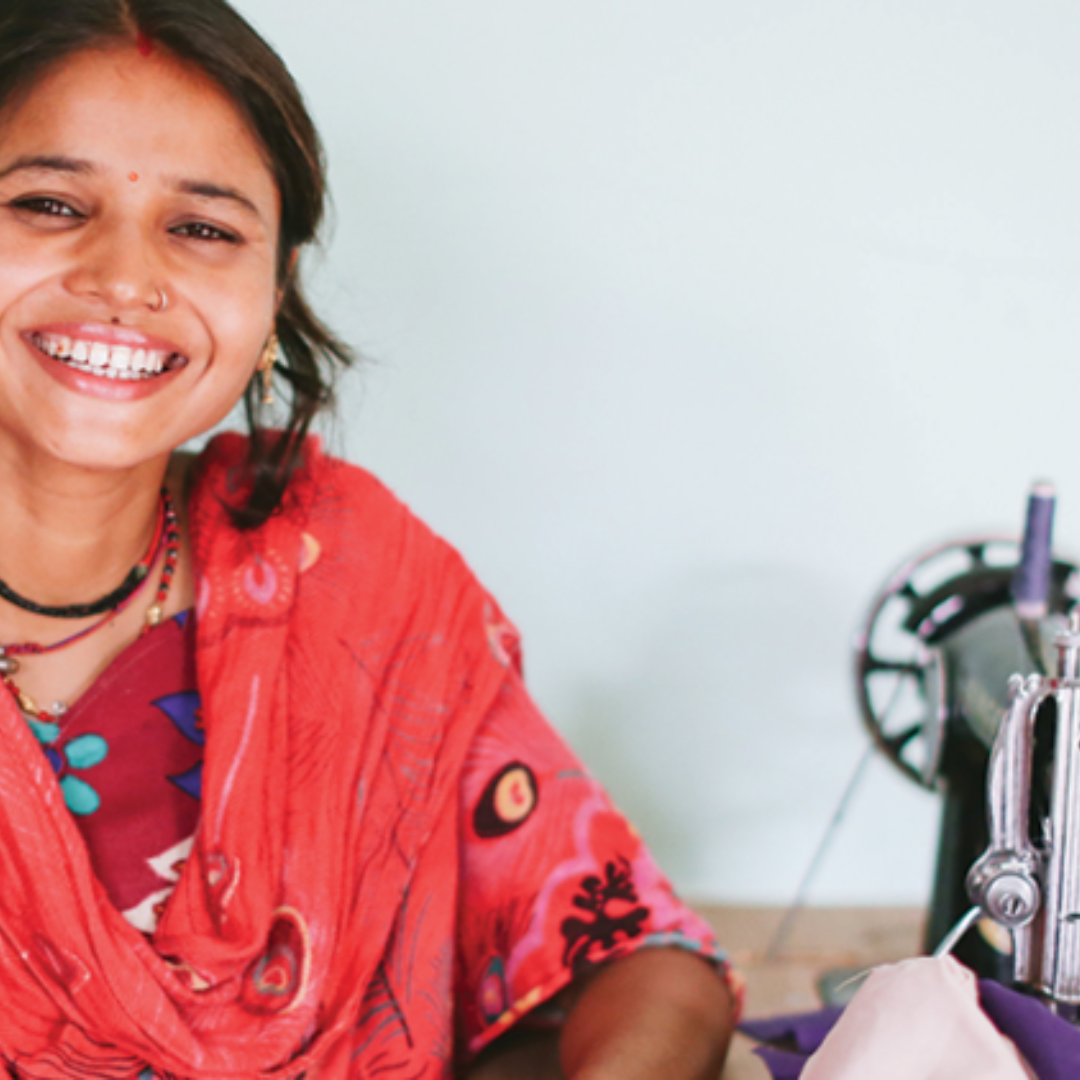
Target 5.5 (adapted): Work towards ensuring women’s full and effective participation and equal opportunities in education and employment. (Women empowerment)
Target 6.1: Promote universal and equitable access to safe and affordable drinking water for all (clean drinking water or water wells in South Asia)
Measured by:
Amount of food distributed
Describe the type of relief supplies and amounts distributed
Number of schools educating children from the slums
Number of children from the slums in school
Share the types of training programs provided for adults and/or the skills they are learning in [insert country]
Number of adults in training programs in [insert country]
Number of adults in training programs in India
Number of training programs
Number of women in training program
Number of women currently employed because of training program
Number of water wells completed in South Asia
Number of people and/or villages clean water wells impact
Serve South Asia supports children, women, families, and communities through humanitarian aid, education, vocational training, and community development initiatives across India, Pakistan, and Bangladesh. Programs provide educational opportunities for children in slum communities, equip women with practical skills through sewing centers and other production activities, and offer leadership development and training for teachers and coaches. The project also supports clean drinking water through well construction, provides basic necessities for refugees in India, and develops facilities for education and skills training.
What Does Your Donation Go Towards?
Relief Kits (for disaster or emergency needs)
Computers for job training and educational support
Equipment and materials for new water wells
Sewing machines for career development
Construction of Educational Facilities