Nepal Flood Crisis Relief
 Donate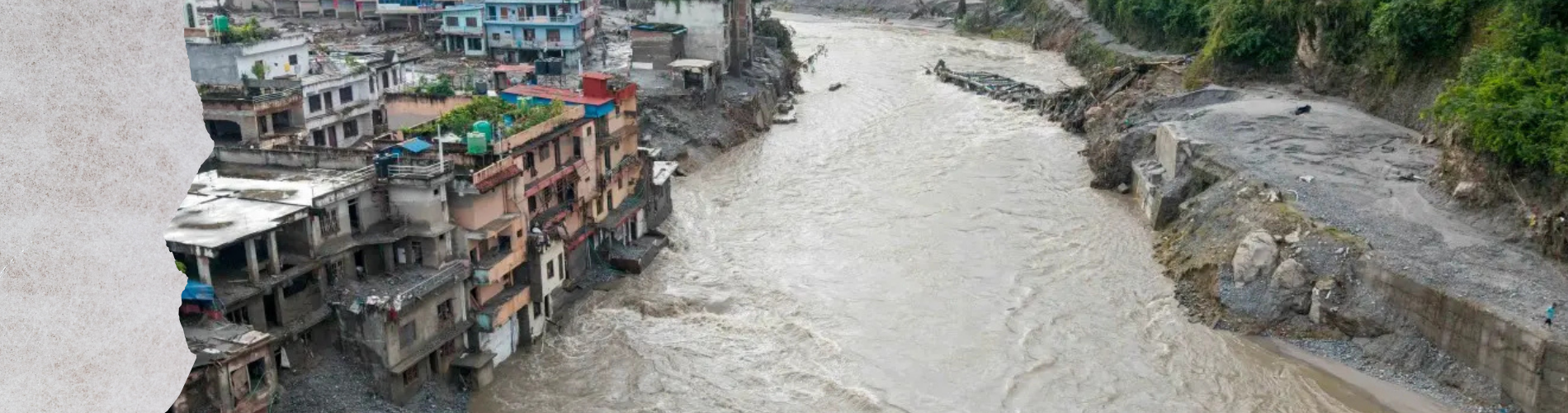
The Challenge & Response
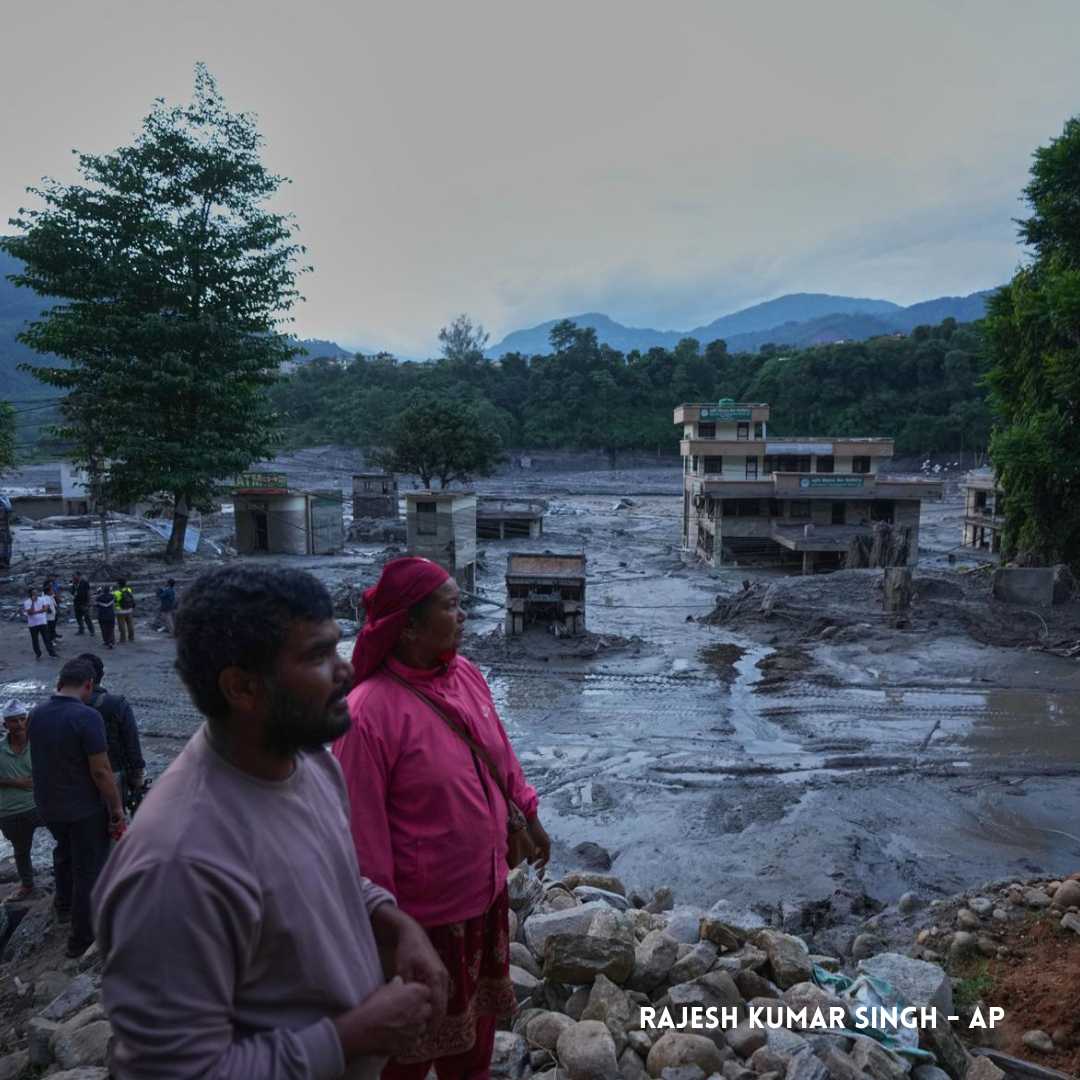
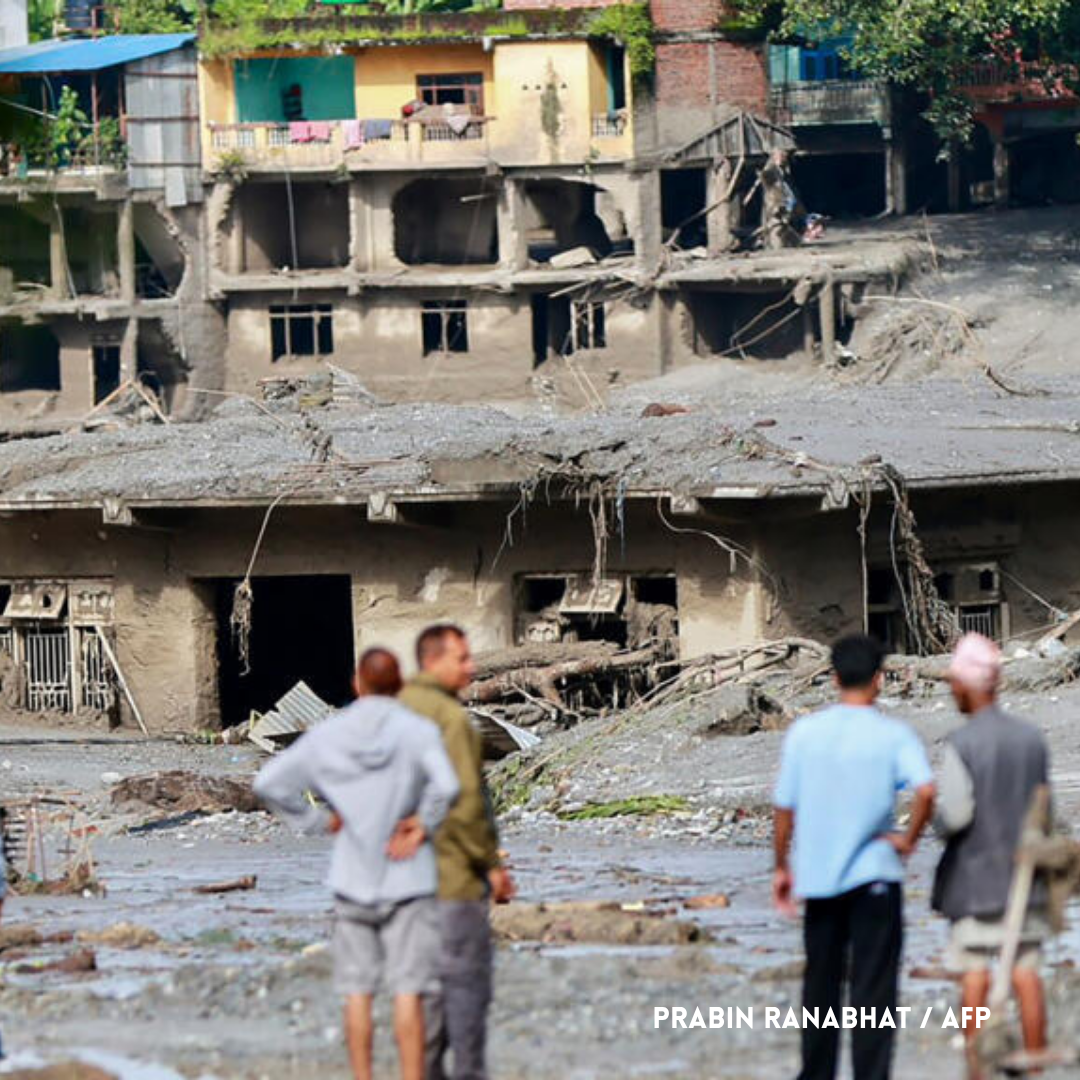
On August 26, 2026, devastating flash floods struck northern Nepal along the Bhote Koshi River system, causing widespread destruction across mountainous communities. Homes, roads, bridges, hydropower facilities, and other critical infrastructure have been damaged or destroyed, leaving families displaced and many communities struggling to access basic necessities. The scale of the disaster continues to develop as search, rescue, and relief operations remain underway.
Professionals International has a project partner located approximately 15 miles from the disaster area with established local relationships and firsthand awareness of the needs emerging in affected communities. Rather than sending aid without local knowledge, this response will rely on those connections to evaluate conditions, identify the areas of greatest need, and determine where assistance can have the greatest immediate impact.
Funds raised will support locally coordinated relief efforts, prioritizing essential needs such as food, clothing, shelter, and other emergency supplies as conditions develop. By working through an established local partner, the response can adapt to changing needs and direct assistance toward people and communities that may otherwise be difficult to reach.


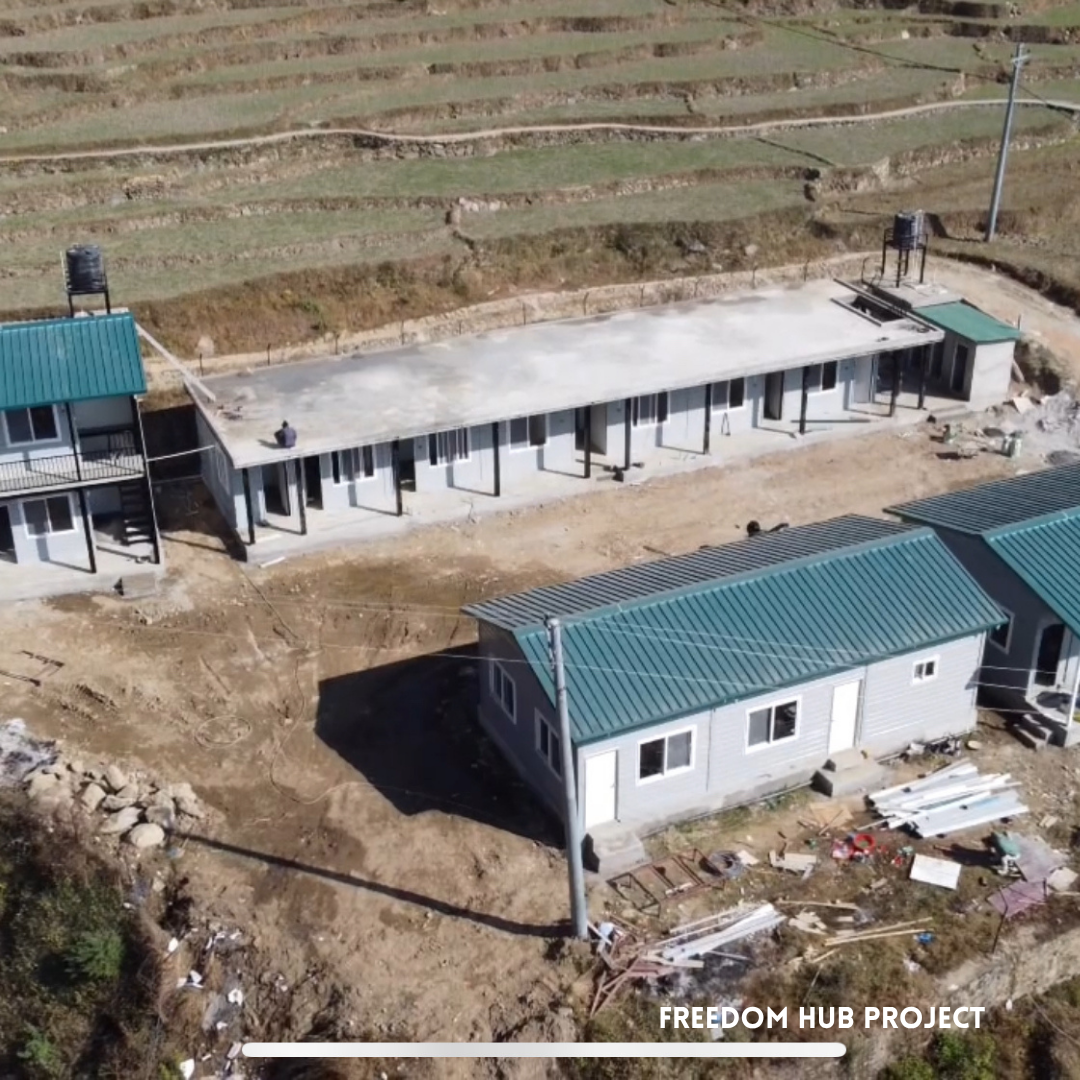
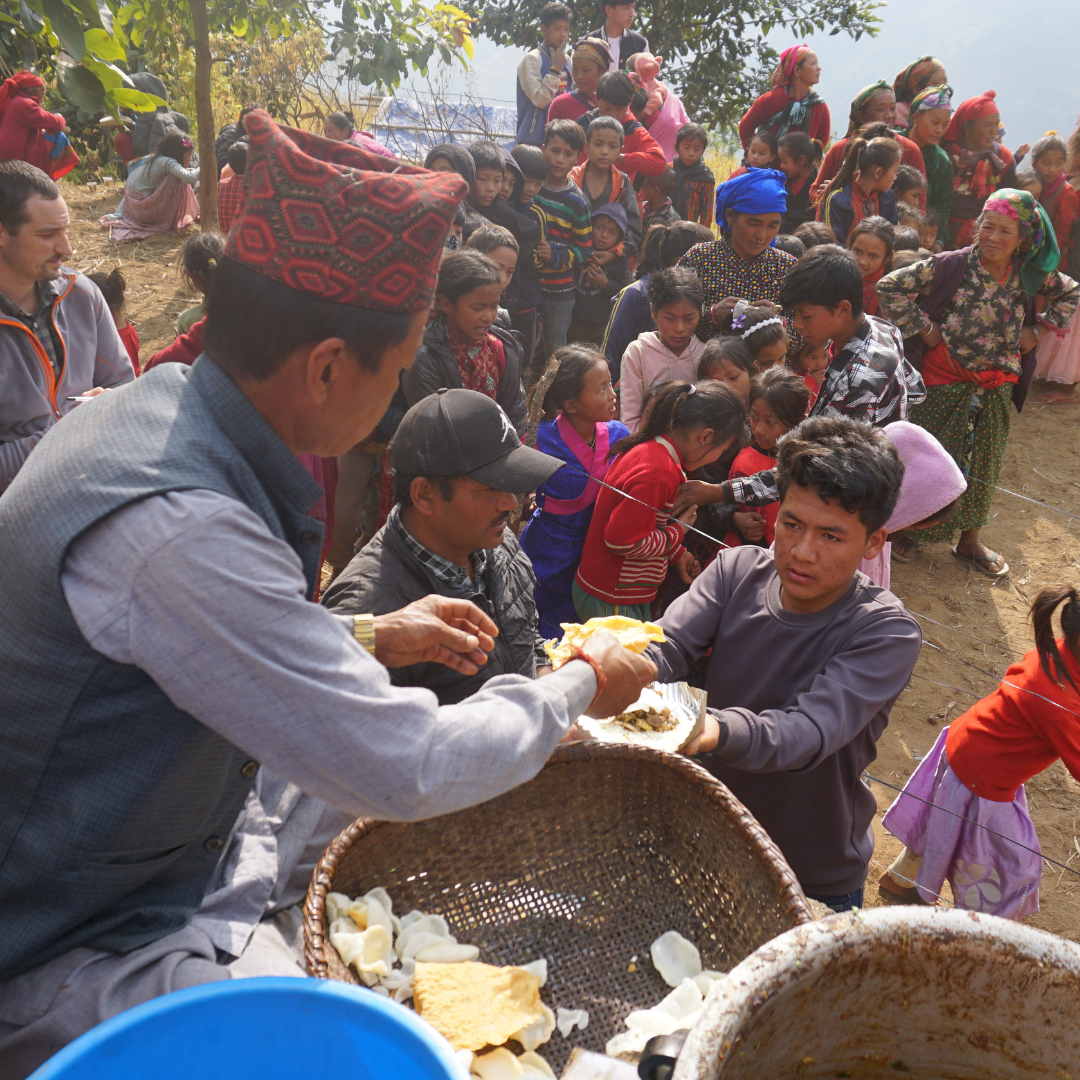
Business Geared Toward Providing Relief To Those Impacted by the Nepal Flood Crisis.

Target 1: Focuses on building resilience for vulnerable populations so extreme shocks do not push families back into poverty.
Target 3: Emphasizes health risk management, rapid medical aid, and disease prevention during emergencies.

Target 11: Targets reduced disaster-related deaths, economic losses, and improved urban risk management.
Measured by:
Number of meals or essential food bags distributed.
Units of clothing distributed.
Number of supplies such as tarps and solar lights provided.
What Does Your Donation Go Towards?
Total goal of $50K
Funds raised will support locally coordinated relief efforts, prioritizing essential needs such as food, clothing, shelter, and other emergency supplies as conditions develop. By working through an established local partner, the response can adapt to changing needs and direct assistance toward people and communities that may otherwise be difficult to reach.